

Following our exploration of Italian colour and pattern, attention turns to a more fundamental element of dressing: texture. In Italian fashion, the interplay of materials is treated as both craft and expression. It is visible most clearly at events such as Pitti Uomo in Florence, where street style becomes a showcase of confidence, colour and carefully considered contrasts. The combinations may appear bold, yet they are grounded in an understanding of fabric, proportion and movement
Quality sits at the centre of this approach. Italian style begins with materials that drape well, hold their structure and respond to the body. A well-made fabric can elevate even the simplest outfit, while poor-quality materials undermine it. Texture mixing works because each element contributes something distinct, whether softness, weight, sheen or structure.
Balance is essential. Italian dressing often rests on the relationship between structured and flowing fabrics, with attention paid to seasonality. Lighter materials such as linen and silk dominate warmer months, while wool, cashmere and leather come into focus in autumn and winter.
Classic Texture Combinations
Linen and silk
A summer pairing where the relaxed character of linen softens the formality of silk.
Cashmere and leather
A tactile contrast suited to colder months, combining softness with structure.
Soft and sturdy
A chunky wool knit alongside leather or textured cotton creates depth without excess.
Rough and smooth
Denim paired with silk or satin balances casual and refined elements.
Sheer and opaque
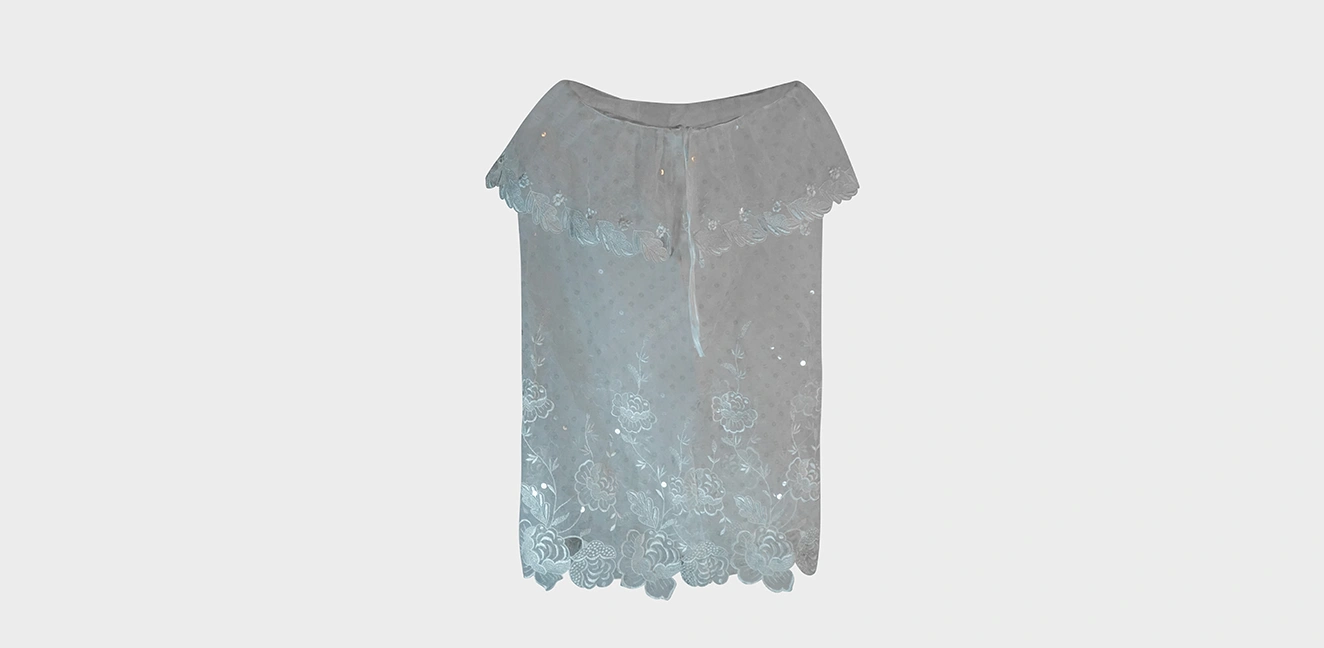
Layering organza or lace over cotton or jersey introduces transparency and dimension.
Accessories follow the same principle. A smooth nappa leather bag with suede footwear, for example, adds subtle variation without overwhelming the look.
Styling Principles
- Texture and colour should work together to maintain a cohesive appearance.
- Tone-on-tone combinations, such as lace and leather in the same shade, create a refined effect.
- When working with patterned fabrics, balance them with solid pieces to keep the outfit composed.
- Consider how a fabric falls. Heavier materials such as gabardine suit structured garments like trench coats or tailored blazers.
A Brief Glossary
Structured fabrics
Materials with a defined surface or weave, such as gabardine or heavier knits, which hold their shape and add structure.
Unstructured fabrics
Smooth, even textiles such as poplin or silk, often associated with more formal dressing.
Sheer fabrics
Semi-transparent materials including organza, lace or tulle, often layered to create depth and contrast. In Italian fashion, these are frequently used in tailoring and couture, sometimes combined with linings or slips to control opacity.
Why Texture Matters
Texture allows an outfit to carry interest without relying on strong colour. A restrained palette can still feel rviich and expressive when different materials interact. Often, a single accent — a bag, a pair of shoes, a piece of jewellery — is enough to complete the look.
Texture mixing encourages experimentation using pieces already within a wardrobe. It is less about acquiring more and more about understanding how garments work together.
For those looking to explore texture combinations further, Vintagella Moda offers pieces designed with this philosophy in mind.